
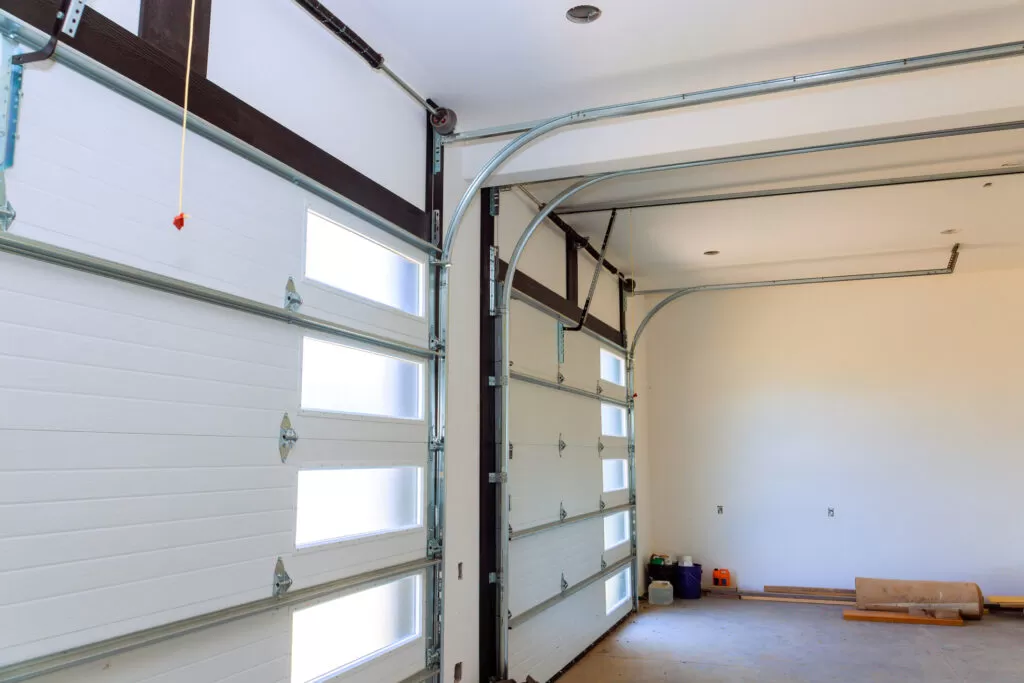
A garage door that looks bowed, rattles during operation, or struggles to open smoothly can be a safety concern, in addition to an annoyance. When structural issues go unchecked, they can lead to damaged panels, opener strain, or even sudden door failure. This article explores garage door strut installation, why it matters, and what homeowners should know.
Garage Door Strut Installation: A Complete Homeowner’s Guide
Garage door strut installation plays a key role in keeping your garage door strong, stable, and operating safely. Struts are designed to reinforce door panels and prevent bending over time, especially on wider or heavier doors.
Many homeowners don’t realize their importance until visible problems appear. Proper strut installation helps reduce wear on your garage door opener and other components. It also improves overall door balance and performance. Here’s what every homeowner should know before installing or repairing garage door struts:
What Is a Garage Door Strut?
A garage door strut is a horizontal metal reinforcement bar that runs across the width of a garage door panel. It is typically made of steel and is installed on the inside of the door. Struts are most commonly placed along the top section of the door, though larger or heavier doors may have multiple struts across different panels.
The primary purpose of a strut is to add structural support. Over time, garage door panels can flex, sag, bow, or warp due to daily use, temperature and weather changes, or wind pressure. Struts help distribute that stress evenly, keeping the door rigid and properly aligned. While they’re not always visible from the outside, struts play a critical behind-the-scenes role in keeping your garage door safe and functional.
Why Garage Door Struts Are Important for Door Safety
Garage door struts are essential for maintaining door stability and preventing structural failure. Without proper reinforcement, panels can bend under their own weight or from the force of the opener pulling the door upward. This bending can throw the garage door off track or cause uneven movement.
Struts also help protect your garage door opener. When a door flexes, the opener has to work harder to lift and lower it, which can shorten the opener’s lifespan. From a safety standpoint, a reinforced door is less likely to collapse, jam, or suddenly fail during operation. For homeowners, proper garage door strut installation adds peace of mind and helps ensure the door operates smoothly and predictably.
Signs Your Garage Door Needs a Strut Installed or Replaced
One of the most common signs that a garage door needs strut installation or replacement is visible bowing along the top panel. If the door looks curved instead of straight when closed, that’s often a reinforcement issue. Excessive vibration or shaking while the door moves can also indicate weakened panels.
You may notice the garage door opener struggling or making louder-than-usual noises. Older doors, especially those without original struts, are more prone to these problems. If your garage door has been exposed to strong winds or frequent use, reinforcement may be necessary. Addressing these signs early can prevent more expensive repairs down the line.
When Garage Door Strut Installation Is Typically Required
Garage door strut installation is commonly required during new garage door installations, especially for double-wide doors. Manufacturers often recommend struts to meet warranty and safety requirements. Struts are also needed when upgrading to a more powerful garage door opener, as increased lifting force can stress unsupported panels.
Homes in windy or storm-prone areas benefit greatly from reinforced doors. Additionally, if a door panel has been repaired or replaced, adding a strut can help restore structural integrity. In many cases, strut installation is a proactive step to prevent future damage rather than a response to an existing problem.
Garage Door Strut Installation Safety Considerations
Garage doors are heavy systems that operate under tension, which makes safety a top priority. While struts themselves are not under spring tension, installing them often involves working close to moving parts and heavy panels. Improper installation can lead to misalignment, loose hardware, or panel damage.
Using the wrong size strut or incorrect placement can compromise the door rather than strengthen it. Drilling into the wrong areas may weaken panels or interfere with hinges and rollers. For homeowners, understanding these risks is important when deciding whether to attempt a DIY installation or call a professional.
DIY vs Professional Garage Door Strut Installation
Some homeowners with mechanical experience may feel comfortable installing a garage door strut themselves, especially if it’s a straightforward reinforcement. However, DIY installation requires the correct tools, proper measurements, and an understanding of door construction. Mistakes can lead to uneven support or additional damage.
Professional garage door technicians know how to properly position and secure struts for maximum effectiveness. They also inspect the door for underlying issues that may not be obvious. While DIY may seem cost-effective upfront, professional garage door strut installation often saves time and reduces the risk of future repairs.
How Proper Strut Installation Extends Garage Door Lifespan
Correctly installed struts help extend your garage door’s lifespan by minimizing stress on individual panels. Reinforced doors maintain better alignment, which reduces wear on rollers, tracks, and hinges. This also helps the garage door opener operate more efficiently.
Over time, this added support can significantly reduce maintenance needs. Homeowners often experience fewer breakdowns, smoother operation, and improved reliability. Proper garage door strut installation is a small investment that can protect the entire door system for years to come.
Common Garage Door Strut Installation Mistakes to Avoid
One common mistake is installing the wrong size strut for the garage door’s size. Undersized struts won’t provide adequate support, while oversized ones may interfere with door movement. Improper placement is another issue, as struts must be aligned correctly across the panel.
Over-tightening bolts can damage door sections, while loose hardware can cause rattling or failure. Skipping manufacturer guidelines or using low-quality materials also leads to problems. Avoiding these mistakes is essential for safe and effective garage door strut installation.
When to Call a Garage Door Professional
If your garage door shows significant bending, struggles to open, or has damaged panels, it’s best to call a professional. Older doors or doors with multiple structural issues often require expert evaluation. Any situation involving opener strain or alignment problems should also be handled by a trained technician.
Calling a professional early can prevent emergencies and costly repairs. It’s especially important if you’re unsure about safety or proper installation techniques.
Need Garage Door Repair?
A malfunctioning or unstable garage door can quickly disrupt your daily routine and compromise safety. Professional garage door repair ensures problems are addressed the first time, reducing stress and preventing repeat issues.
Your Garage Door Guys proudly serves Simi Valley and the surrounding areas, offering reliable repairs and expert solutions homeowners can trust. If you need garage door repair or installation in Simi Valley or the surrounding areas, contact us today!
Conclusion
Garage door struts play an essential role in keeping your garage door strong, safe, and reliable. Understanding when reinforcement is needed and how it should be installed helps homeowners make informed decisions. Whether you’re upgrading, repairing, or reinforcing your door, proper garage door strut installation is key to long-term performance and safety.