
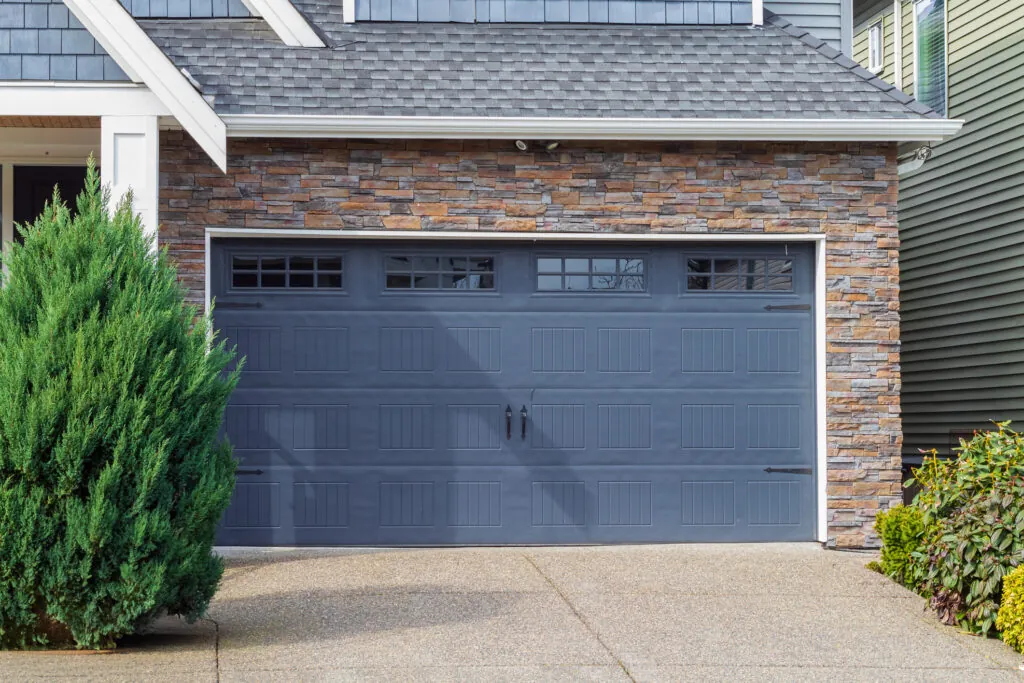
Your garage door may seem like a minor part of your home until it starts failing at the worst possible moment. Many homeowners struggle to recognize when to install a new garage door, often delaying the decision until problems become unavoidable.
This article explores the most common warning signs that indicate your current garage door is no longer meeting your needs and why upgrading at the right time can protect your home, improve efficiency, and enhance overall value.
When to Install a New Garage Door: Key Warning Signs Every Homeowner Should Know
Understanding when to install a new garage door starts with recognizing patterns of wear, inefficiency, and safety concerns. While some issues can be repaired, others signal deeper structural or mechanical failure. Ignoring these warning signs can lead to higher costs and potential hazards over time.
Knowing what to look for helps you make a confident, informed decision. Here’s what every homeowner should watch for before small issues turn into major problems.
Your Garage Door Is Showing Visible Damage
Visible damage is often the first and most obvious indicator that something is wrong. Cracks, dents, warping, and rust not only affect the appearance of your garage door but can also compromise its structural integrity. Over time, exposure to weather conditions like heat, moisture, and wind can accelerate this deterioration.
If panels are sagging or misaligned, the door may not distribute weight evenly, placing extra strain on the opener and tracks. These issues tend to worsen quickly if left unaddressed. For homeowners evaluating when to install a new garage door, visible damage is a strong signal that replacement may be more cost-effective than ongoing repairs.
Frequent Breakdowns and Costly Repairs Are Adding Up
If you find yourself scheduling repair appointments more often than you’d like, it may be time to reconsider your approach. While occasional maintenance is expected, repeated breakdowns often indicate deeper mechanical issues. Springs, cables, rollers, and openers all have finite lifespans, and when multiple components begin failing, repair costs can quickly add up.
Instead of continuing to invest in temporary fixes, many homeowners begin to question when to install a new garage door as a long-term solution. Frequent garage door repairs not only strain your budget but also disrupt your daily routine. A new installation eliminates recurring issues and provides dependable performance, saving both time and money in the long run.
The Door No Longer Opens or Closes Reliably
A garage door that struggles to open or close properly is a clear warning sign. Delayed response times, partial openings, or sudden reversals often point to failing sensors, worn-out motors, or alignment problems.
These inconsistencies can leave your home vulnerable or prevent you from accessing your garage when needed. If troubleshooting and repairs no longer resolve the issue, it’s worth considering when to install a new garage door.
Unusual Noises Signal Internal Wear and Tear
Garage doors are not silent, but excessive or unusual noises should never be ignored. Grinding, squeaking, banging, or rattling sounds often indicate worn components or poor alignment. These noises can stem from loose hardware, damaged rollers, or failing springs, all of which affect how the door operates.
Over time, internal wear can escalate into more serious mechanical failures. Homeowners who notice persistent noise issues often begin to evaluate when to install a new garage door rather than continuing to patch underlying problems.
Rising Energy Bills Due to Poor Insulation
An outdated or poorly insulated garage door can significantly impact your home’s energy efficiency. Gaps, cracks, and thin materials allow outside air to enter, making it harder to regulate indoor temperatures, especially if your garage is attached to your home. This can lead to higher heating and cooling costs throughout the year.
For many homeowners, rising utility bills become a key factor in determining when to install a new garage door. Modern garage doors are designed with improved insulation and sealing technology, helping to maintain consistent temperatures and reduce energy loss. Investing in an energy-efficient door not only enhances comfort but also delivers long-term savings.
Outdated Appearance Is Hurting Curb Appeal
Your garage door plays a major role in your home’s overall appearance. An outdated, faded, or damaged door can detract from curb appeal and even lower property value. As one of the most visible features of your home’s exterior, it should complement your architectural style and enhance visual appeal.
Homeowners looking to improve their property often consider when to install a new garage door as part of a broader upgrade. Modern designs offer a wide range of materials, colors, and finishes to match any aesthetic.
Safety and Security Concerns Are Increasing
A failing garage door can pose serious safety risks to both people and property. Broken springs, malfunctioning sensors, and unstable tracks increase the likelihood of accidents. Additionally, older doors may lack modern security features, making them easier targets for intruders.
If you’re concerned about safety, it’s important to assess when to install a new garage door before issues escalate. Newer models include advanced safety mechanisms, such as auto-reverse systems and reinforced locking features.
Lack of Modern Features and Smart Technology
Technology has transformed the way garage doors operate. Today’s systems offer smart connectivity, allowing homeowners to control and monitor their doors remotely through mobile apps. Features like real-time alerts, automatic closing, and integration with home automation systems add convenience and security.
If your current setup lacks these capabilities, you may start considering when to install a new garage door to take advantage of modern advancements. Upgrading not only improves usability but also aligns your home with current technology standards. A smart garage door system offers greater control and flexibility for everyday use.
Your Garage Door Is Nearing the End of Its Lifespan
Most garage doors are designed to last between 15 and 30 years, depending on materials and maintenance. As your door approaches the end of its lifespan, wear and tear become more apparent, and performance begins to decline.
Even if it still functions, older doors are more prone to sudden failure. For homeowners evaluating when to install a new garage door, age is a critical factor. Replacing an aging system before it breaks down completely helps avoid emergencies and ensures uninterrupted functionality.
Need Garage Door Installation?
If your garage door is showing clear signs of wear, waiting too long can lead to sudden failure and costly inconvenience. Your Garage Door Guys provides professional garage door installation designed to restore reliability, improve energy efficiency, and enhance curb appeal. Serving Simi Valley and surrounding areas, our experienced team delivers high-quality solutions that are built to last. Contact us today to get an estimate on new garage door installation or repair.
Conclusion
Recognizing the warning signs early can save you time, money, and unnecessary stress. From performance issues to safety concerns, each factor plays a role in making the right decision for your home. Understanding when to install a new garage door ensures you stay ahead of costly problems while maintaining a secure, efficient, and visually appealing property.