
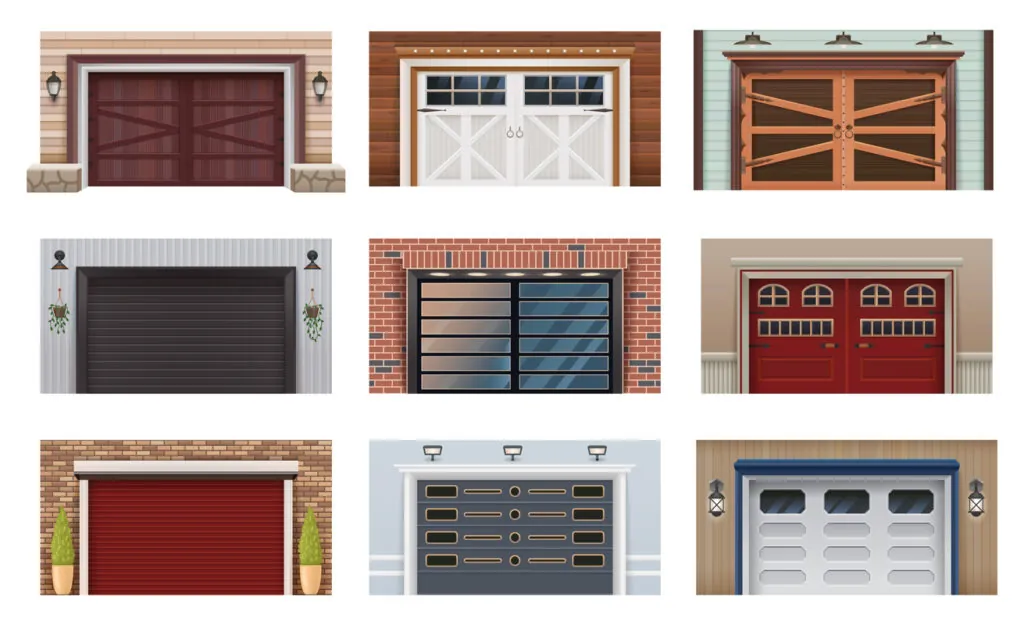
Garage doors affect curb appeal, security, insulation, and the overall appearance of a home’s exterior. With so many types of garage doors available today, homeowners have more options than ever when choosing the right style, materials, and features for their space.
Some garage doors focus on sleek contemporary designs, while others lean into classic carriage house details or sturdy construction built for durability. The right garage door depends on the layout of the garage, available space, maintenance preferences, and the style of the house itself.
At Your Garage Door Guys, homeowners often ask us about the differences between sectional garage doors, carriage doors, roll-up doors, and other popular options. Understanding how each style works can make choosing a new garage door much easier.
Common Types of Garage Doors
There are several common types of garage doors. Each style operates differently, from sectional systems to carriage-inspired designs, and the right choice often depends on available space, function, and overall home design.
Sectional Garage Doors
The sectional garage door is the most common style found in residential neighborhoods. A sectional door uses multiple panels connected by hinges that move along tracks and a curved track system toward the ceiling.
Many homeowners prefer sectional garage doors because they save space and work well with modern garage door opener systems. Since the door opens vertically, vehicles can park closer to the garage door without blocking its operation.
These garage doors are available in steel, aluminum, fiberglass, wood, and insulated designs. They also fit a wide range of home styles, from traditional garage doors to modern garage doors with clean lines and glass windows.
Roll Up Garage Doors
Roll-up doors are commonly used in commercial buildings, workshops, and some residential garages. Instead of large panels, the door uses narrow metal slats that roll into a compact coil above the door opening.
One advantage of roll-up doors is durability. Their sturdy construction and compact design work well in garages with limited ceiling space.
Although they are less decorative than other types of garage doors, they are a suitable option for homeowners focused on security and functionality.
Side-Hinged Garage Doors
Side-hinged garage doors, sometimes called carriage doors, swing outward from the middle instead of opening overhead. These doors are inspired by old-fashioned barn doors and are popular in carriage house designs.
Carriage house garage doors add strong curb appeal and pair well with traditional homes, farmhouse architecture, and classic exterior styles. Decorative hardware, windows, and real wood finishes are common features.
Homeowners should keep driveway space in mind since the doors swing outward when opened manually or automatically.

Tilt-Up Garage Doors
Tilt-up garage doors use a single panel rather than multiple sections. As the door opens, the panel tilts upward into the garage ceiling area.
A canopy garage door leaves part of the door extending outward beyond the garage, while retractable up-and-over door systems pull the entire panel fully inside.
These doors use fewer moving parts than sectional systems, but they require more clearance both inside the garage and in the driveway.
Garage Door Materials
The choice of garage door materials affects durability, appearance, and long-term maintenance needs. Steel, wood, aluminum, and fiberglass each offer different performance benefits, and choosing the right material helps balance style, strength, and upkeep.
Steel Garage Doors
Steel is one of the most popular garage door materials because it combines security, durability, and low maintenance. Insulated steel panels can also improve energy efficiency and reduce outside noise.
Steel garage doors are available in both classic and modern styles, making them a better choice for many homeowners.
Wood Garage Doors
Wood garage doors offer a timeless appearance that works especially well with carriage house garage doors. Real wood creates warmth and character that many other materials cannot fully replicate.
However, wood requires more maintenance than steel or fiberglass. Regular sealing or refinishing helps protect the material from moisture and weather damage.
Aluminum and Glass Garage Doors
Aluminum garage doors with glass panels are often associated with modern and contemporary homes. Their sleek appearance, large windows, and clean lines help bring natural light into the garage space.
Because aluminum is lightweight and resistant to rust, it remains a popular option throughout Southern California.
Fiberglass Garage Doors
Fiberglass garage doors are lightweight and resistant to dents, moisture, and corrosion. Some designs mimic the appearance of real wood while requiring less maintenance.
For homeowners looking for a balance between appearance and durability, fiberglass can be a suitable alternative.
Important Garage Door Features
Modern garage doors come with a range of features that improve performance, convenience, and everyday usability. Insulation, windows, and opener systems can significantly change how a door performs.
Insulation
Insulation is one of the most important features many homeowners consider when buying a new garage door. Insulated garage doors help regulate temperatures inside the garage, especially when the garage is attached to the house.
Insulation can also reduce outside noise and improve overall energy efficiency. Many sectional garage door models are available with insulated steel panels for added performance.
Windows and Natural Light
Windows can dramatically change the appearance of a garage door while allowing more natural light into the space. Traditional garage doors often use small upper windows, while modern garage doors may feature larger glass panels.
Homeowners can choose from clear, frosted, or decorative glass depending on the level of privacy they want.
Garage Door Openers and Security
Modern garage door opener systems offer quieter operation, smart technology, and improved security features. Many newer systems allow homeowners to control the garage door remotely through a smartphone app.
Strong hardware, durable tracks, reinforced panels, and properly installed torsion springs also help improve long-term security and performance.
Professional Garage Door Installation Matters
No matter which type of garage door you choose, installing it involves heavy panels, torsion springs, tracks, and moving hardware that must be aligned properly for safe operation. Poor installation can lead to uneven movement, excessive wear, and security issues.
Working with experienced professionals like Your Garage Door Guys helps ensure the garage door operates smoothly and reliably. With an A+ BBB rating and CSLB License #1027793, we provide trusted garage door services throughout Ventura County and Los Angeles County.
Conclusion
There are many different types of garage doors available, and each offers unique advantages depending on the home’s style, available space, and functionality needs. From sectional garage doors and roll-up doors to carriage house garage doors and sleek aluminum designs, choosing the right garage door can improve curb appeal, security, and long-term performance.
Understanding the differences in materials, style, insulation, and operation helps homeowners make a more informed decision when investing in a new garage door.
It got me when you talked about steel doors. As you mentioned, they can last for a long period of time without the need to maintain it that much. With that in mind, I will be choosing this material since I won’t have the time to maintain them due to being a single and working mom of three kids. Thanks!
Hi Millie,
If you’re looking for a low-maintenance door that offers security, a steel door may be a great option.
Thanks for reading!