Discovering that your garage door cable came off can be an alarming experience for any homeowner. The intricate mechanics of a modern automatic garage system rely entirely on a synchronized balance of tension, springs, drums, and steel cables to lift heavy panels smoothly. When that precise balance is disrupted, the entire system can fail, leaving your vehicle trapped or your home vulnerable. Industry statistics indicate that mechanical components like springs and cables account for over 65 percent of all garage door service calls nationwide. Recognizing the early warning signs and knowing how to respond safely can save you from costly secondary damage and severe injuries.
Understanding the underlying anatomy of your garage door helps clarify why these components fail. Your system utilizes high-tensile steel strands engineered to withstand immense pressure every time the panels move. Over years of daily use, normal wear and environmental factors can compromise these materials. When a garage door cable off situation occurs, it usually signals that something else in the hardware assembly has shifted, worn down, or broken entirely. Whether you are dealing with a slack wire or a complete mechanical failure, taking immediate and cautious action is essential for protecting your property and family.
Immediate Safety Measures When Your Garage Door Cable Comes Off
Safety must always remain your highest priority whenever you encounter structural damage or mechanical malfunctions in your garage. The moment you notice a garage door wire came off, you should immediately step away from the operational controls. Never stand directly beneath an unbalanced garage door, as shifting weights can cause the heavy panels to drop unexpectedly. Keep children and pets away from the garage area until the situation is thoroughly evaluated and resolved by trained service professionals.
Securing the area means ensuring that no one attempts to force the door open or closed manually. When one side loses its tension support, the remaining hardware is forced to bear an uneven load, increasing the risk of sudden component failure. If your car is trapped inside the garage, do not attempt to force the door open to retrieve it. Forcing a crooked door along its tracks will often bend the metal vertical tracks, shatter the rollers, and cause severe damage to your automatic opener motor.
Disconnecting the Automatic Opener and Securing the Area
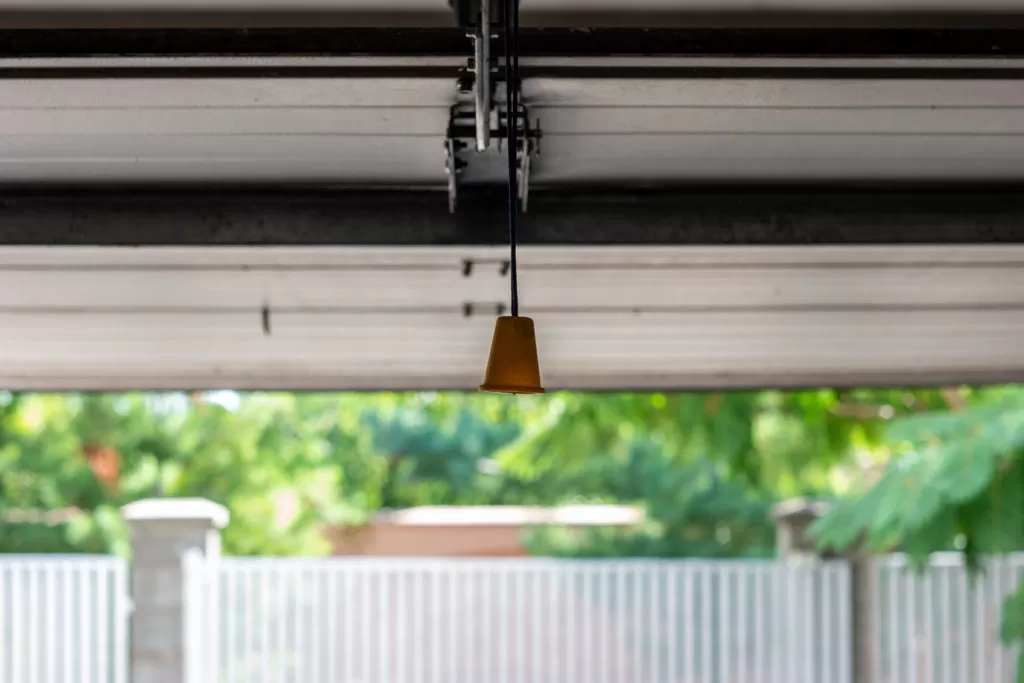
The next crucial step involves disconnecting your automatic garage door opener to prevent any accidental activation. Locate the red emergency release cord hanging from the center rail of your motorized opener assembly and pull it downward to disengage the trolley from the carriage. This simple action isolates the manual door mechanism from the electric motor. If someone accidentally presses a remote control or wall button, the disconnected motor will spin freely without dragging the compromised door panels up or down.
Once the opener is disengaged, do not try to manually lift the door if it is jammed or severely skewed. An unbalanced door can weigh hundreds of pounds, and trying to muscle it into position without proper counter-tension is dangerous. Instead, focus on keeping the area clear and assessing whether you need immediate assistance from Your Garage Door Guys. Our team provides prompt, reliable dispatch services to secure your home and restore smooth operation safely.
Why DIY Cable Reattachment is Dangerous
Many homeowners consider themselves handy and look for online tutorials on how to re-attach a loose wire. However, attempting to fix garage door cables came off issues on your own is strongly discouraged by every professional technician. The high-tension torsion springs mounted above your garage door store an immense amount of mechanical energy. If a spring slips or snaps while you are working near the hardware, it can release catastrophic force, leading to severe lacerations, broken bones, or worse.
Furthermore, simply winding the cable back onto its drum without understanding why the malfunction happened will often lead to immediate re-failure. Cables typically derail because of worn-out bottom brackets, loose set screws on the torsion shaft, worn bearings, or an obstruction in the tracks. Without addressing the root cause, putting the wire back in place creates a false sense of security that can cause another derailment during your very next cycle. Professional garage repair technicians possess specialized winding bars, locking pliers, and safety gear required to handle these high-risk components safely.
Understanding Common Causes of Cable Derailment
To prevent future headaches, it helps to understand why these mechanical failures happen in residential garage systems. One frequent culprit is a sudden impact, such as backing a vehicle lightly into the bottom of the door or running over an object left in the threshold. Even a minor jolt can cause the door to shift sideways, throwing the cable out of its vertical alignment and causing it to slip off the rotating drum at the top of the shaft.
Another common issue involves a garage door cord snapped scenario, which usually results from age, corrosion, or excessive friction against worn tracks. Rust can degrade the galvanized steel strands over time, especially in humid coastal climates or uninsulated garages exposed to seasonal moisture. When individual strands begin to fray and snap, the remaining wire cannot support the door’s weight, leading to a sudden slackening and total derailment. Regular preventative maintenance can catch these frayed wires before they fail completely.
The Role of the Torsion System and Drum Alignment
Your garage door relies on grooved drums mounted at both ends of the torsion tube to wind and unwind the cables as the door operates. If a torsion spring loses tension or if a set screw loosens on the end bearing plate, the shaft can slip out of position. When this happens, a garage door cable came off spool failure is almost guaranteed because the winding path shifts sideways. The cable no longer seats neatly into the machined grooves of the drum, causing it to bunch up, overlap, or slip off entirely.
Diagnosing drum and shaft alignment requires specialized knowledge of how left-wound and right-wound springs interact with opposing sides of the door. Trying to adjust these components without professional training can easily result in a dangerous spring unwinding. If you notice your cables wrapping unevenly or making grinding noises during operation, it is time to schedule a comprehensive service check with Your Garage Door Guys. You can easily book an appointment online or contact our local experts to restore your system’s balance.
Professional Solutions and Quality Repairs
When you partner with experienced technicians for your garage repair needs, you ensure that every part of the mechanism is thoroughly inspected and serviced. Professional repair protocols go far beyond simply putting a loose wire back into place. A thorough service call includes inspecting the torsion springs for fatigue, lubricating moving rollers and hinges, checking track alignment, and testing the automatic reversal safety sensors.
Choosing expert repair services guarantees that your entire system meets rigorous safety standards and operates quietly and efficiently for years to come. Whether you need a quick tension adjustment, new replacement cables, or a complete overhaul of your worn hardware, professional workmanship protects your investment. Explore our full range of professional services, including new garage door installations and opener upgrades, by visiting our main service hub at Your Garage Door Guys.
Preventing Future Cable Failures Through Maintenance
While mechanical parts will eventually wear out with age, proactive maintenance significantly reduces the likelihood of unexpected emergencies. Establishing a routine visual check of your garage hardware every few months allows you to spot frayed wires, rust accumulation, or loose fasteners before they cause a breakdown. Keep the tracks clean and free of debris, and ensure that the moving metal parts receive an appropriate silicone-based lubricant annually.
If your garage door is more than ten years old and has never had its cables or springs serviced, scheduling a preventative tune-up is a wise investment in home security. Professional technicians can evaluate the remaining lifespan of your high-tension components and replace worn parts proactively. To learn more about our comprehensive maintenance options and local service coverage across your neighborhood, explore our dedicated garage door repair page today.
Next Steps
Dealing with a derailed or damaged cable is stressful, but prioritizing safety and contacting trained professionals ensures a fast and secure resolution. Remember to keep the door closed, disconnect the automatic opener, and refrain from attempting dangerous do-it-yourself fixes. By relying on experienced technicians who understand the complexities of residential garage systems, you protect your property and extend the operational life of your door. Reach out to our knowledgeable team at Your Garage Door Guys today to schedule expert service and get your garage door operating smoothly and safely once again.