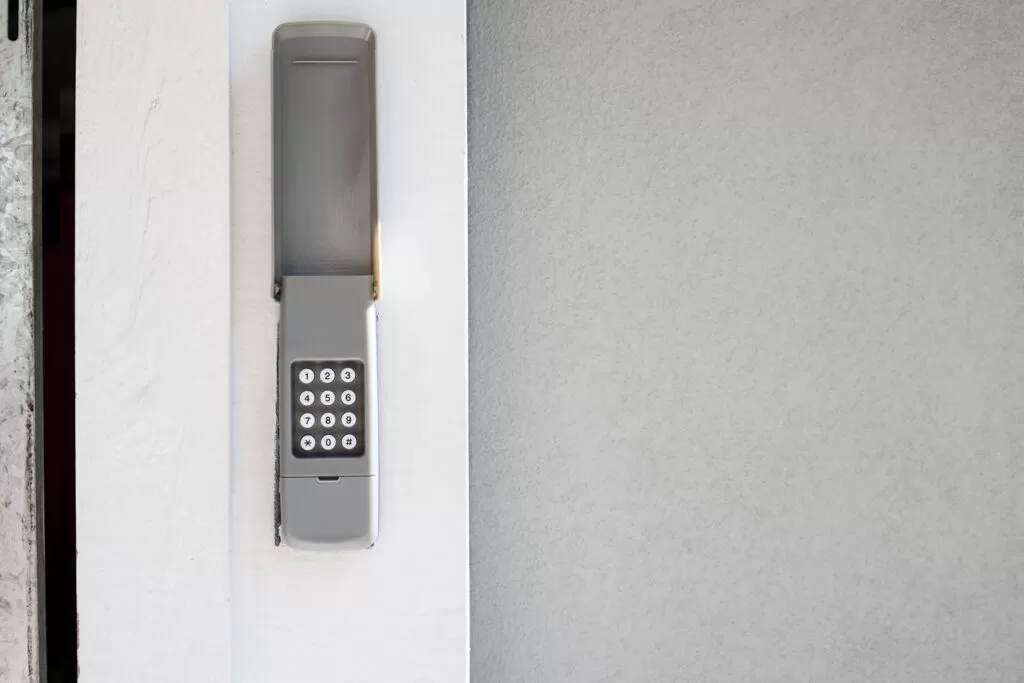
A garage door keypad provides seamless, keyless access to your home. It allows your family to enter through the garage without carrying extra keys or remotes. When you press your secret pin and nothing happens, it creates an immediate inconvenience and security concern.
According to home improvement industry statistics, roughly 70 percent of American households use the garage door as the primary entrance to their home. A sudden loss of keyless access disrupts daily routines and leaves your property vulnerable.
Understanding why your garage door key pad not working is the first step toward restoring convenience to your home. Many issues stem from simple power glitches or environmental factors, while others point to deeper electrical faults.
Simple Battery and Power Checks
The most frequent culprit behind a silent keypad is lack of electrical power. Most keypads run on standard 9-volt or AA batteries that experience continuous exposure to outdoor elements. Extreme heat, cold weather, and time gradually drain battery capacity until the unit fails entirely.
Before trying complex solutions, open the outer casing and swap out the old batteries for a fresh set. Ensure the contacts inside the battery compartment are clean and free of white acid buildup or rust. Corroded battery terminals block the flow of electricity, preventing the pad from transmitting signals to your opener unit.
If fresh batteries do not restore operation, inspect the primary power source of the garage door opener motor itself. Unplugged ceiling units or tripped circuit breakers leave the entire system unresponsive regardless of keypad health. Restoring power to the main overhead motor often resolves mysterious keypad failures.
Code Resetting and Reprogramming Steps
Keypads rely on radio frequency communication to talk with the central garage door motor. Over time, radio interference, prolonged power outages, or accidental button sequences can desynchronize this wireless connection.
When your key pad on garage door not working, clearing the existing memory and setting a fresh passkey often restores connectivity. Locate the Learn button on your overhead motor unit, which is typically found under the light lens cover. Pressing and holding this button clears old codes, allowing you to sync the exterior keypad anew.
Follow the specific programming sequence detailed in your manufacturer manual. For detailed step-by-step guidance on syncing access devices, read our helpful article on how to program a LiftMaster garage door opener. Re-establishing this digital link usually fixes minor software glitches instantly.
Addressing Keypad Surface Damage and Sticky Buttons
Exterior keypads sit exposed to harsh sunlight, rain, wind, and blowing dust year-round. Over time, environmental debris settles beneath the rubber buttons, causing keys to stick or fail to register pressure.
Inspecting the keypad surface for worn-out numbers, cracked casing, or stuck keys is essential. If a specific digit in your secret pin gets stuck halfway down, the control board receives continuous signals and rejects your entry code. Clean the outer buttons using a dry microfiber cloth and canned air to remove trapped dust.
Physical wear can also crack the protective membrane covering the internal circuitry. Moisture entering these hairline cracks corrodes the circuit board beneath, causing permanent damage that requires unit replacement.
Radio Interference and Antenna Problems
Modern garage keypads transmit security codes over specific megahertz frequencies. Electronics in neighboring homes, LED light bulbs, wireless security cameras, and outdoor holiday displays can occasionally disrupt these signals.
Check the thin antenna wire hanging from your overhead opener motor inside the garage. If this antenna wire is damaged, cut, or tucked away inside the metal motor housing, signal reception drops drastically. Straightening the wire downward improves its ability to capture signals sent from your driveway.
If you recently installed high-powered LED light bulbs inside your garage opener unit, consider swapping them out. Lower-quality LED lights produce electromagnetic interference that blocks wireless keypad signals from reaching the receiver.
When Internal Component Failure Happens
If power checks, cleaning, and reprogramming do not resolve the issue, the keypad logic board may have suffered an internal electrical failure. Circuitry degrades over time due to temperature fluctuations and age.
In other situations, the problem resides inside the garage opener motor unit rather than the wall pad. Faulty receiver cards inside the main ceiling assembly stop processing incoming codes entirely. When this happens, remotes and wireless keypads fail simultaneously.
Diagnosing receiver board issues vs exterior hardware issues requires professional testing tools. If you suspect your overhead opener system is failing, explore our comprehensive guide on why your garage door is stuck and common solutions to identify underlying opener mechanical issues.
Professional Keypad Repair and Opener Services
When DIY troubleshooting falls short, calling experienced garage door technicians saves time and prevents unnecessary home security risks. Professional repair ensures that both your wireless entry hardware and main motor operate in complete harmony.
At Your Garage Door Guys, we provide complete diagnostic and repair services for all keypad brands, remotes, and smart garage entry systems. Whether your setup requires a quick memory recalibration, electrical wiring repair, or a complete keyless entry upgrade, our team brings the right tools and replacement parts directly to your home.
Our skilled technicians assist homeowners across Southern California, providing dedicated service throughout Simi Valley, Thousand Oaks, and Moorpark. We also proudly extend our expert repairs to communities across Los Angeles and Ventura Counties, including Tarzana, Encino, Calabasas, Sherman Oaks, and Oxnard.
In addition to keypad repairs, we specialize in high-overhead motor replacements, spring adjustments, track realignment, and comprehensive maintenance packages. Restoring safety and smooth access to your garage is always our top priority.
Keypad Maintenance Tips to Prevent Future Lockouts
Preventative care extends the operational life of keyless entry equipment significantly. Simple habits protect delicate electronics from environmental degradation and unexpected power failure.
Replacing keypad batteries once every twelve months prevents surprise lockouts, especially right before harsh winter weather sets in.
Keeping the outer weather flap closed whenever the unit is not in active use protects the buttons from UV rays and rain damage.
Checking the silicone gasket surrounding the keypad housing ensures rainwater cannot penetrate the sensitive electrical board inside.
Updating your PIN code every few months prevents worn-down keys from revealing your secret access combination to strangers.
Restore Secure Home Access Today
A malfunctioning garage keypad compromises your daily routine and home security. Trying to force open a stubborn garage system manually can cause secondary damage to cables, tracks, and motor gears.
If your garage door key pad not working after trying basic power replacements and code resets, let our experienced team help. We quickly diagnose complex signal dropouts, faulty circuit boards, and hardware conflicts to restore keyless access to your residence.
Contact Your Garage Door Guys today to schedule professional repair or inquire about modern keyless entry upgrades. Our friendly technicians are standing by to deliver fast, reliable garage door opener solutions throughout your local area.