
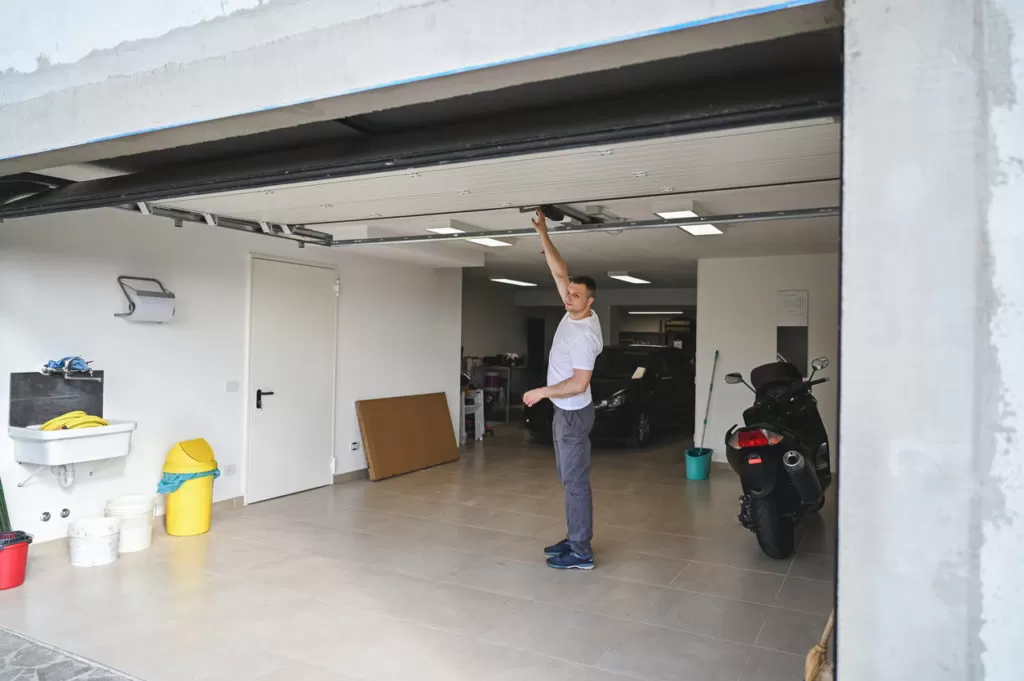
A broken garage door spring can bring an entire garage door to a stop. Because the springs carry much of a garage door’s weight, a failure can make the door extremely heavy, place extra strain on the garage door opener, and create serious safety risks.
So, how much does spring repair cost? The final price depends on the spring type, the size and weight of the door, local labor rates, whether one spring or two springs need replacement, and whether the technician finds additional repairs during the service visit.
For broader context, 2026 national garage door spring replacement cost data from This Old House places typical professional replacement between about $300 and $540, with an average around $420. Actual costs in Southern California can vary, which is why having a local technician inspect your garage door is the best way to get an accurate price.
At Your Garage Door Guys, we have provided professional garage door spring repair throughout Southern California since 1998. If you are dealing with a broken spring, our team can determine what your specific garage door system needs before any work begins.
What Affects Garage Door Spring Repair Costs?
When homeowners ask how much does spring repair cost, there is rarely one price that applies to every door. The type of spring is one of the biggest factors, but the door’s weight, spring tension, number of springs, accessibility, and labor costs also affect the total cost.
Larger insulated doors, carriage style doors, and other heavy doors may require stronger springs or custom spring sizing. High-cycle springs can also have a higher upfront replacement cost because they are designed for a greater number of repeated opening and closing cycles.
Additional repairs can affect the final price as well. A broken garage door spring may be accompanied by worn cables, damaged rollers, problems with the garage door tracks, or another component that has been strained by an improperly balanced door. Our garage door repair technicians can inspect the entire system so you understand what needs attention and what does not.
Torsion Springs Vs. Extension Springs
Most residential systems use either torsion springs or extension springs. Understanding the difference can help explain why spring replacement costs vary.
Torsion Springs
Garage door torsion springs are typically mounted above the door and use significant tension to counterbalance the door’s weight. When a torsion spring breaks, you may hear a loud bang or notice a visible gap in the spring.
The cost to replace a broken torsion spring depends on the size of the spring, the door type, and whether the system uses one spring or a pair. Heavier doors may require heavy duty springs, while homeowners who use their garage frequently may want to discuss high cycle springs with their technician.
Because torsion springs operate under high tension, replacing springs without the proper tools and training can be extremely dangerous. Professional repair is the safer approach and helps ensure the new springs are correctly sized and adjusted for proper balance.
Extension Springs
Extension springs are generally installed along the sides of the door and stretch as the door moves. These systems may also use safety cables designed to help contain a spring if it breaks.
Although extension springs can differ from torsion systems in both parts and labor requirements, they still need to be matched correctly to the garage door. An improperly sized spring can interfere with smooth operation and place unnecessary stress on other parts of the system.
When Does a Broken Spring Require Additional Garage Door Repair?
A spring break does not automatically mean you need a new garage door. In many cases, garage door spring replacement is the most cost effective solution when the panels, tracks, opener, and other major components remain in good condition.
However, the technician may find worn cables, damaged panels, an aging garage door opener, or other issues during the inspection. Addressing related problems at the same time may help prevent another service call soon afterward.
If the entire door is aging or has extensive damage, comparing repair costs with new garage doors can make sense. Full door replacement is generally a much larger project than spring repair, so a broken spring alone usually is not a reason to replace a garage door.
Our approach is to look at the condition of the complete system and help you understand the available options rather than assuming a new door is necessary.
Warning Signs Your Garage Door Springs Need Attention
Springs do not always give much warning before they fail, but changes in the way the door operates can indicate a problem. A door that suddenly feels much heavier, opens unevenly, makes unusual noises, or struggles to stay properly balanced should be inspected.
If the motor runs but the door barely moves, avoid repeatedly activating the garage door opener. The opener is not designed to compensate for a broken spring and continued operation may place unnecessary stress on the motor or other components.
Regular maintenance can also help identify worn parts before they become more disruptive. During a garage door tune up, a technician can check the springs, cables, rollers, tracks, and other components for signs of wear.
Should You Replace One Spring or Two?
Some garage door systems use two springs. If one has reached the end of its life expectancy while the other is the same age, replacing both may sometimes make more sense than installing only one new spring alongside an older one.
That decision depends on the system, the condition of the remaining spring, and the manufacturer’s specifications. Your technician can explain the options after inspecting the door rather than recommending spring replacement based on a general rule.
Correct spring sizing is especially important because the springs need to work together to support the door’s weight and maintain proper balance. That is one reason professional installation matters even when the repair appears straightforward.
Can You Save Money on Garage Door Spring Replacement?
The best way to control repair costs is not to postpone warning signs until more components are affected. If the door starts moving differently or making unfamiliar sounds, having it inspected can help determine whether the issue is isolated to the springs or involves another part of the garage door system.
Choosing a qualified garage door company also matters. A proper estimate should account for the spring type, door weight, required parts, labor, and any additional work identified during inspection. The cheapest initial price is not necessarily the most cost effective solution if the replacement spring is poorly matched to the door or the underlying problem is left unresolved.
How Much Does Spring Repair Cost for Your Garage Door?
The only way to know the exact repair cost for your door is to have the system evaluated. Spring type, door size, spring condition, local labor rates, and related repairs can all change the final price.
Your Garage Door Guys serves homeowners throughout our Southern California service areas, including communities across Ventura County and Los Angeles County. If your spring breaks or you notice warning signs that something is wrong, we can inspect the system and explain the repair options available.
Get Help With a Broken Garage Door Spring
If you are still wondering how much does spring repair cost for your particular door, contact Your Garage Door Guys for an estimate based on the actual system in your garage. Our local technicians can determine whether you need new garage door springs, related repairs, or simply an adjustment to restore safe, smooth operation.
We can also evaluate how the springs are interacting with your garage door opener and the rest of the system, giving you a clearer picture of what is needed before you decide how to move forward.