
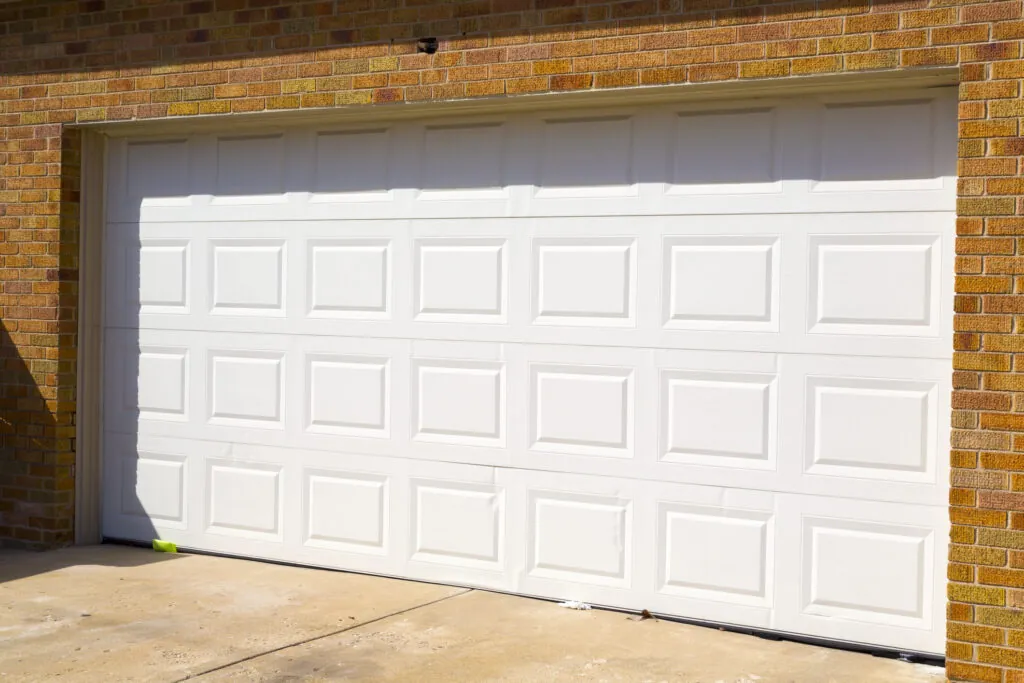
A garage door gap might seem minor at first, but it can quickly turn into a bigger issue. Small openings let in drafts, pests, moisture, and even reduce home security. The good news is that many garage door gaps can be fixed with a few adjustments and basic maintenance steps.
This guide breaks down how to adjust a garage door gap safely and effectively.
What Is a Garage Door Gap?
A garage door gap is any space between the door and its frame, floor, or seals when the door is fully closed. These openings can appear at the bottom, sides, or even the top of the door.
Even a small gap can lead to noticeable problems, especially during extreme weather or seasonal changes.
How to Adjust a Garage Door Gap (Step-by-Step Fixes)
Before starting any repair, make sure the garage door is fully powered off or disconnected from the opener. Safety always comes first.
Step 1: Inspect the Door While Fully Closed
Start by closing the door completely and looking for visible gaps:
- Check both sides for uneven spacing
- Look at the bottom seal contact with the floor
- Inspect the top edge for daylight leaks
This helps identify whether the issue is alignment, sealing, or floor-related.
Step 2: Tighten and Align the Garage Door Tracks
Misaligned tracks are one of the most common causes of gaps.
How to adjust:
- Locate the mounting brackets along the vertical tracks
- Use a wrench to slightly loosen bolts (do not remove them)
- Gently tap the track into a more aligned position
- Ensure both sides are evenly spaced from the door
- Retighten all bolts securely
After the adjustment, manually test the door movement. It should glide smoothly without rubbing or tilting.
Step 3: Check and Replace Weatherstripping
If the gap is small but consistent, worn seals are often the issue, and replacing them may be the fix.
Bottom seal replacement:
- Lift the door slightly if needed for access
- Slide out the old rubber seal
- Insert a new compatible seal into the track
- Ensure it sits evenly across the entire width
Side seal inspection:
- Look for cracks, compression, or missing sections
- Replace if light is visible around the edges
Weatherstripping is one of the simplest and most cost-effective fixes for garage door gaps.
Step 4: Test Garage Door Balance and Alignment
An unbalanced door may close unevenly, creating gaps on one side.
Manual balance test:
- Disconnect the opener
- Lift the door halfway and release it
- If it moves up or down on its own, it is not balanced
If an imbalance is present, the issue may involve spring tension or cable wear. These components are under high tension and should not be adjusted without experience.
At this stage, professional service is often the safest option.
Step 5: Adjust Opener Limit Settings
If the door closes but stops just short of sealing, the opener settings may be incorrect.
What to look for:
- Door stops a few inches above the floor
- Gaps appear even though tracks and seals look fine
Basic adjustment:
- Locate the “down limit” control on the opener unit
- Make small incremental adjustments
- Test after each change
Proper limit settings allow the door to close fully without slamming or bouncing back.
Step 6: Address Floor-Level Gaps
If the concrete floor is uneven, mechanical adjustments alone may not fully solve the issue.
Solutions include:
- Installing a thicker bottom seal
- Adding a garage door threshold seal
- Using a flexible rubber ramp-style seal for irregular floors
These solutions help the door conform to minor surface variations.
Common Mistakes When Fixing a Garage Door Gap
Even with simple repairs, it’s easy to make adjustments that don’t solve the problem or end up making it worse. Knowing what to avoid can save time and prevent unnecessary damage.
Over-tightening track brackets
It might seem helpful to secure everything as tightly as possible, but overtightening can restrict natural movement in the system. This can lead to binding, uneven travel, or added strain on rollers.
Ignoring the real cause of the gap
Replacing weatherstripping without checking alignment often leads to temporary results. If the tracks are off or the door is unbalanced, the gap will return quickly.
Making uneven adjustments on each side
Small changes to one track or hinge can throw off the entire balance of the door. Adjustments should be made evenly and tested frequently to avoid creating a tilt.
Forcing a misaligned door to close
If the door is not seating properly, forcing it shut can damage rollers, tracks, and even the opener. It’s better to stop and diagnose the issue than push it through resistance.
Attempting spring repairs without experience
Torsion and extension springs are under high tension. Adjusting or replacing them without proper tools can be dangerous and may cause serious injury.
When You Should Not Attempt a DIY Fix
Some garage door gap issues are signs of larger mechanical problems. Avoid DIY repairs if you notice:
- Broken or frayed cables
- Bent or warped tracks
- Snapped torsion springs
- The door feels extremely heavy or unbalanced
- Loud snapping or grinding noises
These systems are under high tension and can be dangerous without proper tools and training.
Professional Garage Door Repair Support
Some alignment and sealing issues can be handled at home, but persistent gaps often point to deeper mechanical concerns. In those cases, professional inspection ensures the problem is fixed correctly and safely.
For homeowners in Ventura and Los Angeles County, Your Garage Door Guys provides garage door repair, alignment services, and seal replacement solutions designed to restore proper door function and security. Book an appointment today!
Final Thoughts
A garage door gap is more than a cosmetic issue. It affects energy efficiency, safety, and overall door performance. With the right adjustments, many gaps can be corrected quickly, especially when caught early.
It’s interesting that adding more concrete to the floor is a good way to adjust a garage door gap. I will be getting a residential garage door repair service soon because it’s been opening very slowly lately. Maybe it would be good to also take this opportunity to make some adjustments to make the door more optimized.