
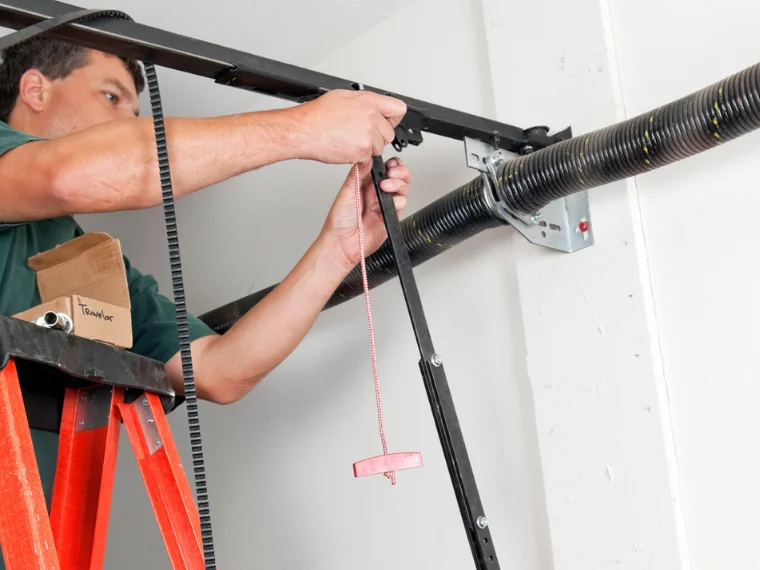
Your garage door is the single largest moving part in your entire home. It opens and closes hundreds of times each year, providing convenience, security, and shelter for your vehicles and belongings. Behind the seamless motion of a heavy garage door lies a high-tension spring system engineered to balance hundreds of pounds of steel, wood, or composite material. When a spring fails, your door stops moving, leaving your car trapped inside or leaving your home vulnerable.
Understanding how garage door springs operate, recognizing the signs of damage, and knowing how to handle a broken system can save you time, money, and personal injury. This comprehensive guide covers how to evaluate spring issues, what to expect during a professional service, and why proper care is vital for your home.
The Critical Role of Springs in Your Garage Door System
Many homeowners assume that the automatic garage door opener does all the heavy lifting. In reality, the opener merely acts as the control switch that guides the motion. The actual heavy lifting is handled entirely by the garage door springs. These springs counterbalance the weight of the heavy door, making it feel lightweight enough to lift manually with one hand or with a small motor.
According to research from the U.S. Consumer Product Safety Commission, approximately 2,000 people are injured every year by falling garage doors or improperly handled high-tension garage door components. The high tension stored inside these steel springs is precisely what makes them effective, but that same kinetic energy makes them extremely hazardous when they snap or when untrained individuals attempt a DIY fix.
Torsion Springs vs Extension Springs
Garage door systems utilize two main types of springs: torsion springs and extension springs. Understanding which type your door uses is essential when assessing damage and planning repairs.
Torsion Springs
Torsion springs are mounted horizontally on a metal bar directly above the garage door opening. As the door closes, heavy-duty cables attached to the bottom corners turn drums that wind the spring, storing massive amounts of rotational energy. When the door opens, that stored energy releases to pull the heavy panels upward. Torsion springs offer smooth, balanced movement and typically last significantly longer than extension spring systems. Because they store extreme mechanical force, working on torsion springs requires specialized winding cones, heavy winding bars, and technical expertise.
Extension Springs
Extension springs run parallel to the upper door tracks on both the left and right sides of the door. Instead of twisting to store force, extension springs stretch and expand as the door lowers. The force generated by this stretching helps lift the door back up during the opening cycle. Extension springs are common on older residential garage doors and budget-friendly installations. Because they stretch continuously under heavy loads, they tend to wear out faster and require safety cables running through their center to prevent loose metal parts from flying across the garage if the spring snaps.
Common Signs Your Garage Door Spring Is Damaged
Spring failure rarely happens completely unannounced, though a spring snapping during operation produces a loud sound similar to a gunshot or fireworks inside your garage. Catching early warning signs can prevent you from getting trapped inside or damaging your door opener.
The Door Refuses to Open
If your garage door opener motor hums or strains but the door only moves an inch or two before stopping, a broken spring is almost always the cause. Modern openers feature built-in force sensors designed to shut down if they detect too much weight, preventing the motor from burning out when attempting to lift an unbalanced door.
Visible Gaps in the Coil
With torsion systems, a broken spring shows a clear gap of two to three inches between the wound steel coils. You can inspect this visually by looking at the metal bar mounted above the top of your closed garage door. If the tightly wound steel ribbon appears split into two pieces, the spring has experienced structural failure.
Squeaking, Jerky Movement, or Slanted Doors
When springs lose tension, the door may wobble, rise unevenly along the tracks, or jerk violently as it opens. Extension spring systems rely on equal tension from both sides. If one extension spring weakens faster than the other, the garage door will hang crookedly, causing the rollers to bind inside the tracks.
Understanding Garage Door Spring Repair Cost Factors
Homeowners often wonder about garage door spring repair cost expectations before contacting a local garage repair service professional. The total investment for restoring a balanced garage door depends on several key variables.
Type and Number of Springs
Torsion springs generally cost more for materials than basic extension springs, but they offer superior durability and safer daily operation. Standard single-car doors often feature one torsion spring, while heavy two-car or solid wood doors utilize dual torsion springs. Replacing a single spring usually costs less in parts, but service experts strongly recommend replacing both springs at the same time to maintain equal balance across the door shaft.
Wire Gauge and Cycle Rating
Springs are manufactured with different cycle ratings, which measure how many open-and-close cycles a spring can endure before metal fatigue sets in. Standard builder-grade springs are rated for 10,000 cycles, which typically equates to seven to ten years of standard family use. High-cycle springs are manufactured with thicker wire gauges and specialized anti-corrosion coatings designed to handle 25,000 to 50,000 cycles. Opting for high-cycle spring hardware slightly increases upfront material costs but provides double or triple the operational life.
Labor and Professional Expertise
Properly replacing high-tension components involves precise measurements, manual winding, drum balancing, and track alignment. Professional installation fees reflect technical training, specialized tools, job safety, and warranty coverage on both parts and labor.
Why DIY Repair Garage Door Spring Attempts Are Dangerous
The internet contains hundreds of videos demonstrating how to change garage door parts. However, attempting a DIY repair garage door spring job remains one of the leading causes of severe DIY home improvement injuries.
Torsion springs are wound under hundreds of pounds of pressure. Releasing that pressure without the correct hardened steel winding bars, or attempting to unscrew the bottom bracket cables while tension remains on the spring, can cause tools to kick back violently. Loose components can strike the installer or cause severe structural damage to surrounding walls and vehicles.
Professional technicians undergo extensive hands-on training to handle high-tension hardware safely. They carry specialized winding tools, vice grips, and drum levelers engineered specifically for high-force applications. By relying on certified specialists, you protect your family from dangerous accidents and ensure that your garage door operating system meets all safety standards.
What Happens During Professional Garage Door Spring Replacement
When you schedule expert garage door repair spring replacement, a trained technician performs a systematic evaluation and replacement process to restore safe operation.
Complete System Safety Inspection
A certified professional begins by inspecting the complete door assembly. They evaluate the condition of the lift cables, mounting brackets, end bearing plates, track rollers, and center bearing to ensure no secondary damage occurred when the spring broke.
Safe Pressure Release and Unwinding
The technician secures the door panels in place using heavy-duty locking pliers to prevent accidental dropping. They carefully unwind any remaining tension in undamaged springs using high-tensile winding bars before disconnecting the worn spring from the center shaft.
Precision Measurement and Installation
Garages require specific spring wire diameters, inner coil dimensions, and overall spring lengths based on the exact weight and height of the door panels. Installing an incorrectly sized spring causes severe balance issues that destroy opener gears. The specialist selects exact-match replacement springs, slides them onto the torsion tube, reconnects the cable drums, and winds the precise number of quarter-turns needed to achieve balance.
Balance Testing and Track Tuning
After winding the new springs, the technician disconnects the opener drive carriage and manually tests the door balance. A properly balanced garage door stays in place when raised halfway off the floor. Once balanced, the technician reconnects the automatic opener, adjusts force settings, lubricates all moving rollers and hinges, and performs a complete safety reverse test.
Extending the Life of Your Garage Door Springs
While every garage door spring eventually reaches the end of its mechanical lifespan due to metal fatigue, routine maintenance can help you achieve maximum performance from your investment.
Regular Lubrication
Friction and rust are the leading causes of premature spring breakage. Spraying high-grade silicone lubricant or specialized garage door lubricant along the entire length of the metal coils twice a year reduces internal friction as the coils expand and contract. Avoid using standard WD-40, which acts as a cleaner rather than a long-lasting lubricant and can strip away protective coatings.
Annual Balance Checks
Test your garage door balance at least once a year. Pull the red manual release cord while the door is fully closed, then lift the door by hand to waist height. If the door feels exceptionally heavy or falls back toward the floor, the springs are losing tension and require professional adjustment before complete failure occurs.
Keep Tracks and Hardware Clean
Keep the metal roller tracks free of dirt, debris, grease build-up, and rust spots. Wipe down the tracks with a damp cloth and inspect the hinges, lift cables, and track mounting brackets for loose bolts or signs of wear. Smooth hardware movement reduces unnecessary strain on your springs during every cycle.
Local Service Solutions with Your Garage Door Guys
When your garage door breaks, you need fast, dependable service from local professionals who understand your neighborhood. Your Garage Door Guys provides complete residential and commercial garage door solutions backed by decades of hands-on industry experience.
Our team serves communities across Ventura County and Los Angeles County, including homeowners in Simi Valley, Thousand Oaks, Moorpark, Calabasas, Encino, Sherman Oaks, and Woodland Hills. We also provide dedicated service across North East Dallas, Rockwall County, and surrounding communities in Texas. Whether you are dealing with a sudden spring failure in Agoura Hills or need maintenance in Oxnard, our certified technicians arrive fully equipped to resolve your problem on the spot.
We specialize in fast emergency response, professional garage door springs repair, full door replacements, smart opener installations, and preventive maintenance tune-ups. Every service call includes a comprehensive safety check to ensure your door operates quietly, smoothly, and securely.
Schedule Your Garage Door Spring Service Today
Never let a broken garage door spring disrupt your daily routine or compromise your home security. Attempting to force open a door with a broken spring can burn out your opener motor and cause expensive panel damage.
Contact our trusted team at Your Garage Door Guys today to request a service estimate or schedule an appointment with our experienced technicians. Visit our website to explore our full range of residential door styles, commercial solutions, and local service options, or call our office to get your garage door operating like new again.