
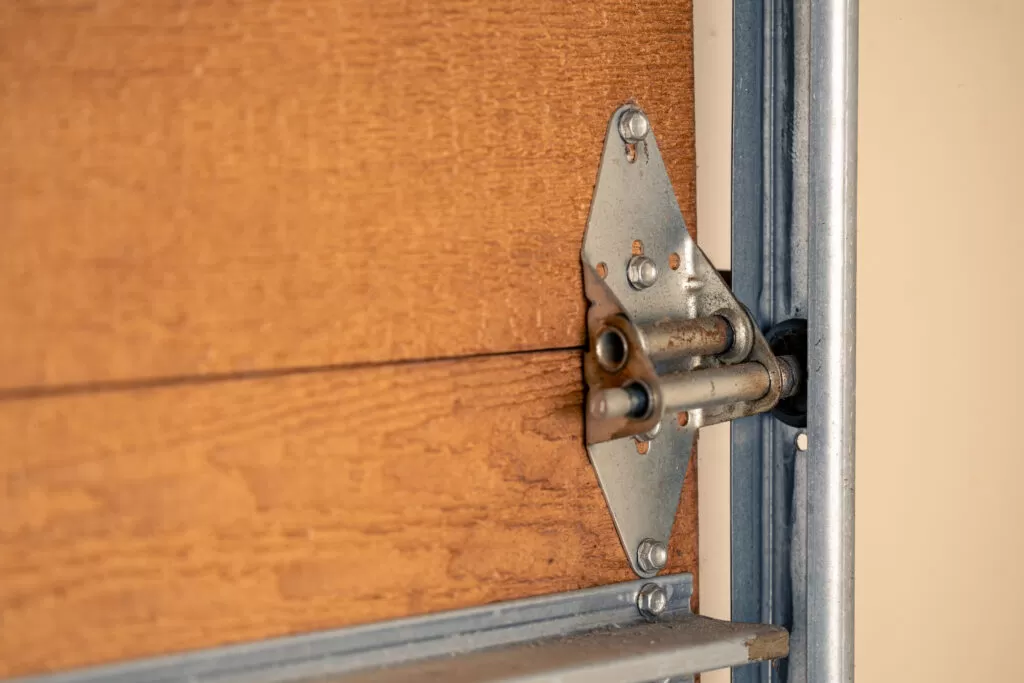
A noisy, uneven, or struggling garage door can quickly turn convenience into frustration. Ignoring early signs of hinge wear may lead to bigger issues, from panel misalignment to complete door failure. Garage door hinge replacement is often the key to restoring smooth, safe operation before costly repairs arise. This article explores the most common warning signs that it’s time to replace your garage door hinges.
Signs You May Need Garage Door Hinge Replacement
Your garage door hinges play a crucial role in the system’s overall performance. When they begin to wear out, you’ll notice small but progressive changes in how your door moves and sounds. Addressing these issues promptly can prevent larger mechanical problems and ensure your door continues to operate safely.
Recognizing the early symptoms can save time, money, and stress. From squeaks to misaligned panels, each sign tells a story about your door’s condition. Here’s what to look for:
Loud Squeaking or Grinding Noises
One of the first signs that you might need garage door hinge replacement is persistent noise during operation. A squeaking or grinding sound usually indicates that the hinge joints are worn or have lost lubrication. Over time, this friction wears down the metal components, leading to misalignment and further strain on your garage door system.
If you notice the noise continuing even after regular maintenance, such as lubrication, it’s a sign the hinges have reached the end of their life. Ignoring this problem can cause unnecessary wear on other parts, like rollers and tracks. Replacing worn hinges not only restores quiet operation but also extends the lifespan of your entire garage door system.
Visible Rust or Corrosion on Hinges
Rust is a clear indicator that your hinges are deteriorating, especially in humid or coastal environments. Once corrosion sets in, the metal becomes brittle and weak, compromising the structural integrity of your door. Over time, the rusted hinges can seize up, causing the door to operate unevenly or stick during opening and closing.
Regular cleaning can slow corrosion, but once it’s visible, garage door hinge replacement is usually the safest option. Leaving rust untreated can also lead to hinge breakage, resulting in dangerous door misalignment. Replacing corroded hinges ensures your garage door functions smoothly and prevents further damage to surrounding components.
Cracks or Breaks in the Metal
Cracks in your hinges may not be immediately visible, but they can quickly worsen under daily use. Metal fatigue occurs naturally over time due to constant tension and movement. When cracks develop, they weaken the hinge’s ability to support the door’s weight, increasing the risk of sudden failure.
If you see even minor fractures, it’s important to schedule garage door hinge replacement right away. Operating the door with broken hinges can cause panels to separate or damage other hardware, leading to costly repairs. Replacing cracked hinges restores structural integrity and ensures your garage door remains safe and reliable.
Loose or Wobbly Hinges
If your garage door feels unstable or wobbly while moving, loose hinges could be the culprit. Constant vibration and movement can loosen the screws or bolts securing your hinges to the panels. As a result, the door may rattle, shake, or appear uneven during operation. Continuing to use the door in this condition can enlarge the screw holes, making repairs more difficult.
When tightening the hardware no longer resolves the problem, garage door hinge replacement is necessary. Installing new hinges provides better stability and ensures your door panels remain securely aligned.
Uneven Door Movement
An unevenly moving garage door is another major sign that hinge wear is affecting your system. If one side of the door rises faster than the other or moves with resistance, the hinges may be misaligned or damaged. This imbalance puts strain on the springs, cables, and rollers, potentially leading to larger mechanical issues.
A professional inspection can determine whether hinge replacement is the right solution. In most cases, garage door hinge replacement corrects the alignment and allows the door to move smoothly again. Addressing uneven movement early prevents future breakdowns and keeps your door operating safely.
Panels Separating or Misaligned
When the hinges connecting your garage door panels wear down, the panels may start to separate or shift out of alignment. This not only affects the door’s appearance but also impacts its functionality. Misaligned panels create gaps that allow air, dirt, and moisture to enter your garage. Over time, these gaps can worsen, leading to costly repairs or panel replacements.
Garage door hinge replacement helps restore proper alignment and prevents unnecessary wear on other parts. By ensuring your panels stay connected and flush, your door will maintain both its performance and visual appeal.
Door Sticking or Struggling to Open
If your garage door hesitates, sticks, or struggles when opening, worn hinges could be the reason. Damaged hinges restrict movement, causing the panels to bind or jam against each other. This problem often worsens over time as the hinges continue to degrade. While it might seem like an issue with the opener, it’s often mechanical friction caused by failing hinge joints.
Scheduling garage door hinge replacement ensures the panels can flex and move as designed. Once replaced, the door will open and close smoothly with less strain on the motor and springs.
Vibration or Shaking During Operation
Excessive vibration during operation is a common indicator of hinge wear. When hinges lose their tight connection or become unevenly worn, the garage door can rattle or shake every time it moves. This movement can lead to premature wear on other components, including tracks and rollers. Over time, the vibration may also cause fasteners to loosen, worsening the problem.
Performing a garage door hinge replacement eliminates this instability, allowing your door to glide quietly and smoothly. Addressing this issue promptly also reduces noise and prevents damage to other mechanical parts.
Hinges Showing Excessive Wear or Warping
If your hinges appear bent, warped, or excessively worn, they’re no longer providing proper support. Over time, the constant weight of the door and repeated use can cause the metal to deform. This deformation affects how the panels connect, leading to uneven stress and possible misalignment. Once hinges reach this stage, tightening or adjusting them will not solve the problem. The best solution is garage door hinge replacement, which restores your door’s balance and stability. Replacing worn or warped hinges helps prevent further strain on your opener and ensures long-term reliability.
Need Garage Door Repair?
If you’ve noticed any of these warning signs, it’s time to take action. A professional garage door technician can inspect your system, identify the problem, and perform the necessary repairs.
Your Garage Door Guys, proudly serving Simi Valley and the surrounding areas, offer expert hinge replacement, maintenance, and full repair services. Don’t wait until a small issue turns into a costly breakdown; schedule garage door service today.
Conclusion
Your garage door’s hinges play a vital role in its daily performance and safety. Recognizing the signs of wear early can save you from future inconvenience and repair costs.
Whether it’s noise, uneven movement, or visible damage, timely garage door hinge replacement ensures your system stays strong, smooth, and dependable for years to come.